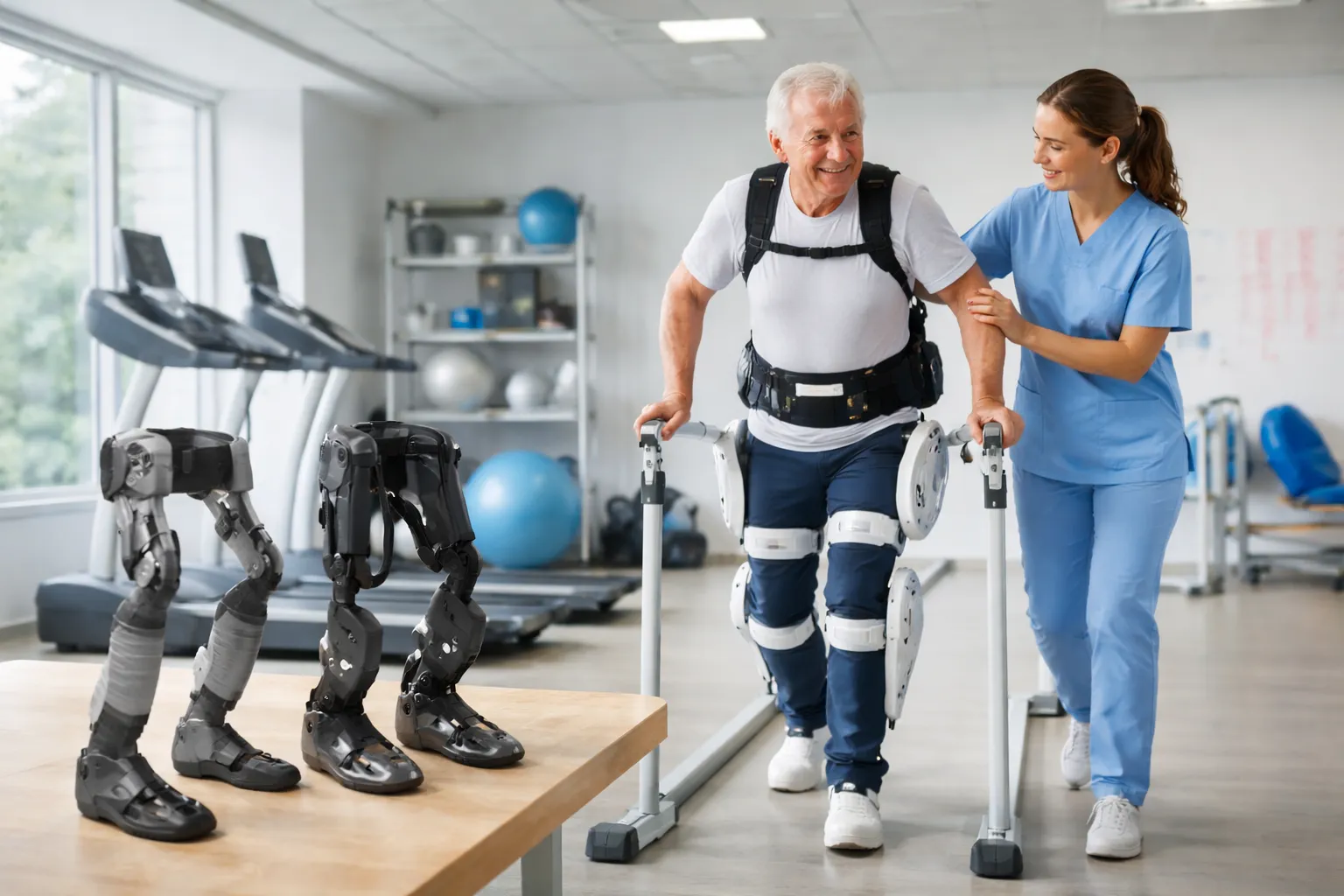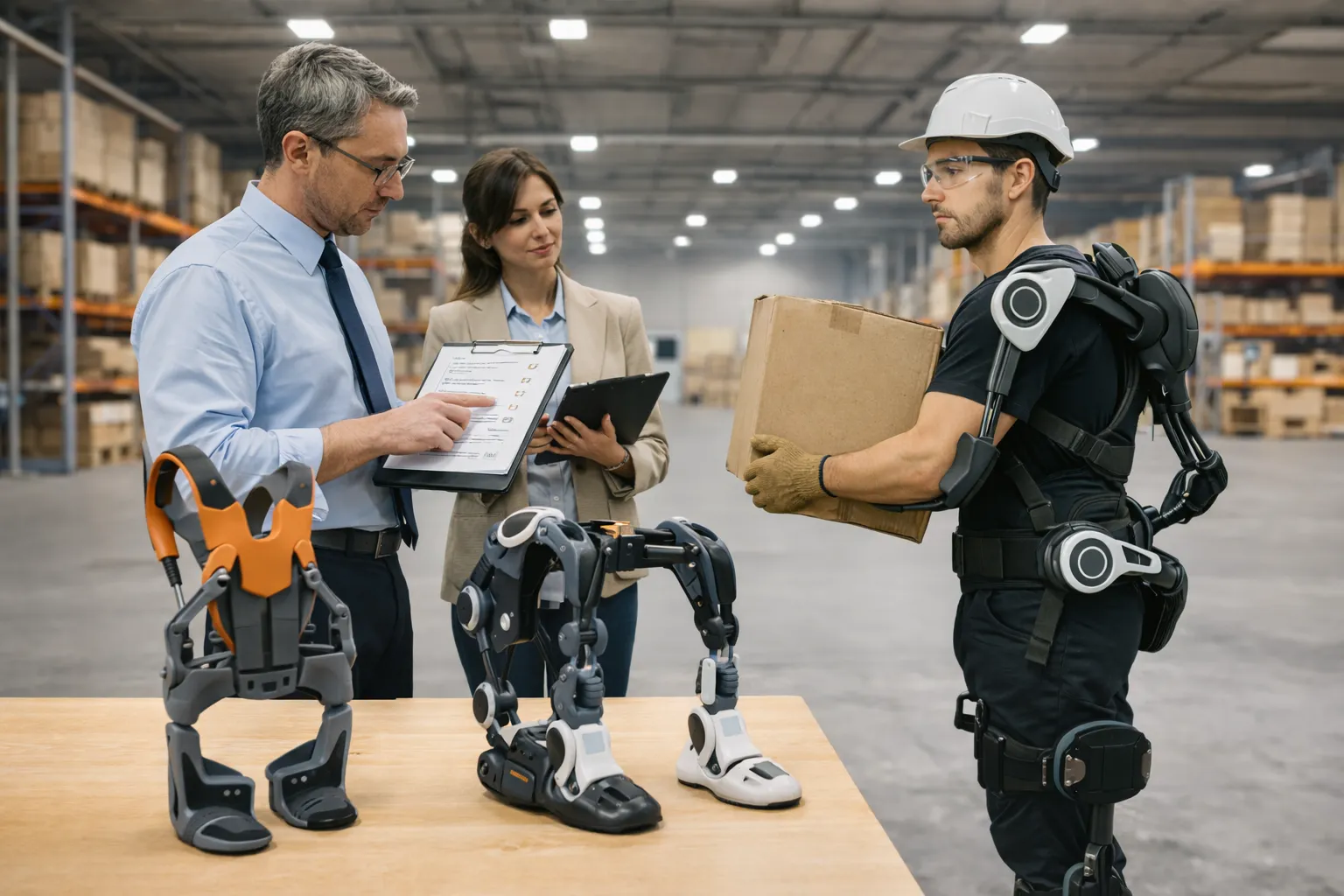

Overview of aids, grants, and procedures to obtain funding.
Financing an exoskeleton: what solutions are available in France?
Acquiring an exoskeleton can represent a significant investment for a company, a community, or an individual. However, several funding mechanisms exist in France to facilitate access to these technologies aimed at improving working conditions, reducing physical strain, and preventing musculoskeletal disorders (MSDs).
Here is an overview of the main solutions.
Grants from CARSAT and Health Insurance
Companies can benefit from professional risk prevention programs offered by Health Insurance and CARSAT (Retirement and Occupational Health Insurance Funds).
These mechanisms allow for the financing of equipment aimed at reducing physical strain, including:
-
manual handling exoskeletons
-
lifting aids
-
ergonomic equipment
In some cases, the grant can cover up to 70% of the equipment cost, subject to ceilings defined according to the size of the company.
To be eligible, the company generally must:
-
have an up-to-date Unique Document for Professional Risk Assessment (DUERP)
-
demonstrate that the equipment contributes to the prevention of MSDs
-
submit a file to the CARSAT of their region.
Aids for employees with disabilities
When an exoskeleton helps to compensate for a disability or facilitates job retention, specific aids can be mobilized.
The AGEFIPH can, for example, contribute to the financing of equipment that allows for the adaptation of a workstation.
These aids are assessed on a case-by-case basis and generally require the intervention of an ergonomist or occupational physician.
Aids for communities and public institutions
Hospitals, local authorities, and public institutions can also benefit from funding as part of programs aimed at preventing physical strain or improving working conditions.
These aids can come from:
-
regional programs
-
national prevention mechanisms
-
innovation or modernization funds.
Why invest in an exoskeleton?
Beyond funding, integrating an exoskeleton into the work organization can bring several benefits:
-
reduction of physical fatigue
-
decrease in MSD risks
-
improvement in productivity
-
job retention for employees.
Many companies are now using these technologies in sectors such as logistics, industry, construction, or healthcare.
funding
budget